Araku Valley coffee
The Araku Valley in the Eastern Ghats produces organic, fair-trade specialty arabica grown by tribal cooperatives, with cups regularly scoring 85 to 90+ on the specialty scale.
3 coffee sources

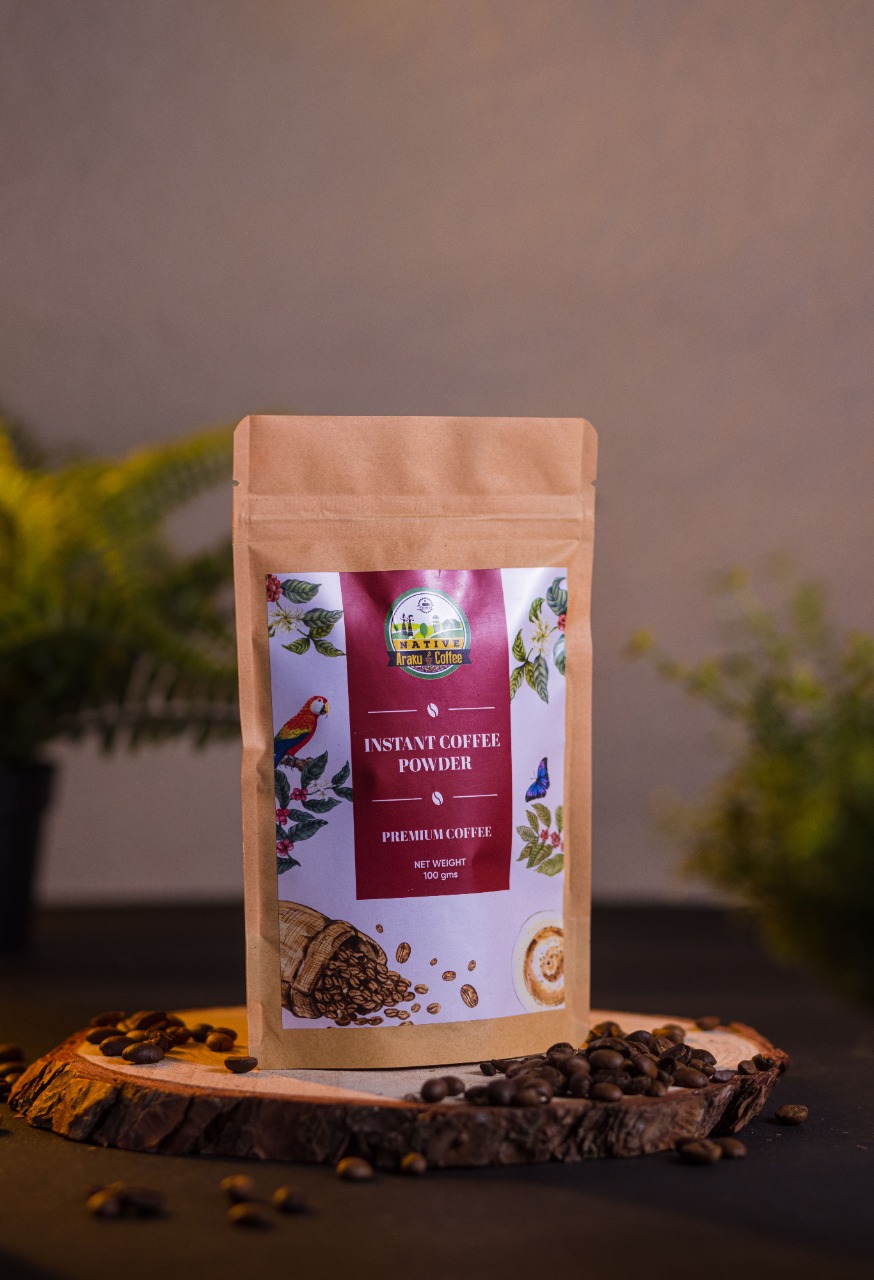
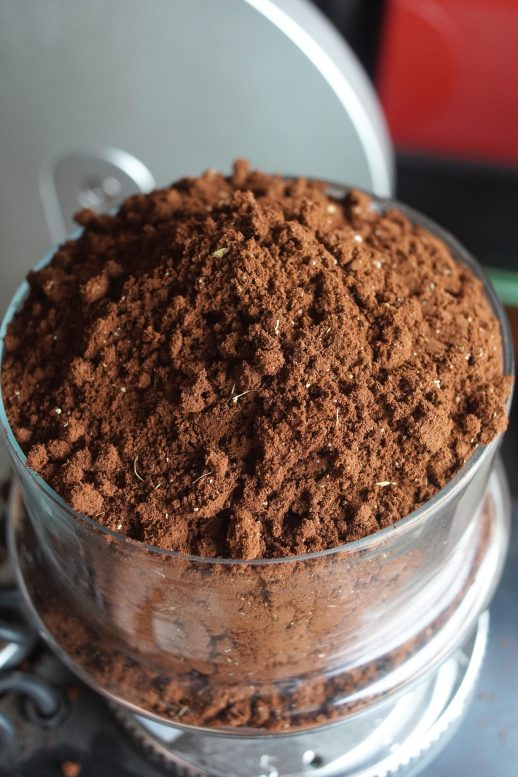
The Araku Valley in the Eastern Ghats produces organic, fair-trade specialty arabica grown by tribal cooperatives, with cups regularly scoring 85 to 90+ on the specialty scale.
On this page you can compare 3 Araku Valley coffee estates, roasters and brands, with prices from about ₹230 to ₹670 a pack. Filter by bean (Arabica, Robusta, Liberica), roast and certification, check each store's live products, then buy directly from the estate or roaster.
Araku's specialty coffee movement is unusually cooperative-driven: ARAKU Coffee works with a roughly 10,000-farmer tribal cooperative and terroir-maps individual plots, with cups regularly scoring 85 to 90+ on the SCA scale, while Native Araku Coffee focuses specifically on tribal-women-led sourcing and enterprise. Because the valley's specialty output is still small relative to Karnataka's coffee districts, only a handful of brands sell verified Araku-origin coffee directly online, which is why this page is shorter than Coorg or Chikmagalur's.
Related
Frequently asked questions
Is Araku coffee organic?+
Most of it is. Araku Valley coffee is grown without synthetic inputs by tribal cooperatives in the Eastern Ghats, and brands like ARAKU Coffee carry organic and fair-trade certification alongside SCA specialty scores of 85-90+.
Why are there so few Araku coffee brands compared to Coorg?+
Araku is a much smaller, newer specialty-coffee origin than Karnataka's coffee districts, farmed by tribal cooperatives rather than large estate networks. Fewer brands currently sell verified Araku-origin coffee direct to consumers online, though the valley's reputation for high-scoring specialty Arabica is growing fast.